About Us
 Taken for Granted
Taken for Granted
Taken for Granted

We would like to express our gratitude to our professor and TA for this class, Dr. Wendy Kurtz and Nick Schwiterman.
Professor Kurtz taught us the various digital tools that allowed our group to present this project in the manner that we did. She taught us tools including JS, Tableau, and Palladio while offering supplemental information about the importance of mapmaking, the perspectives being reflected in various works, the future of digital humanities, and the integration of data science. We greatly appreciate all you have done for this class; thank you!
Nick Schwiterman was our TA for this course, provided continuous support throughout the project, and spoke with us over many office hour sessions. He often pushed our group to reconsider ideas from another perspective, push our critical thinking to another level, and focus on integrating data with the human perspectives that allowed the data to come to fruition. Thank you Nick, for all your help; it was a pleasure always receiving feedback from you!
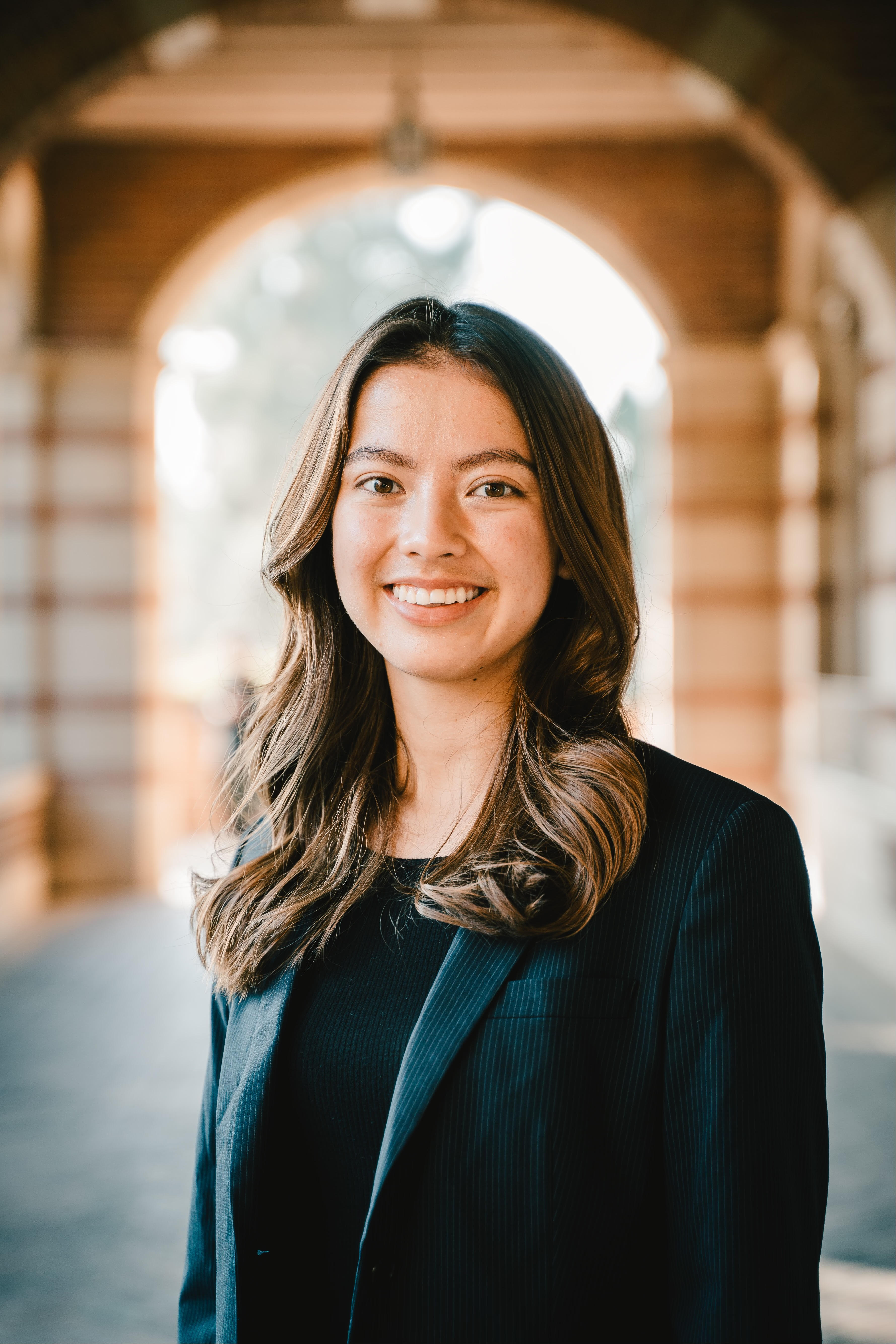
Emma Hanson
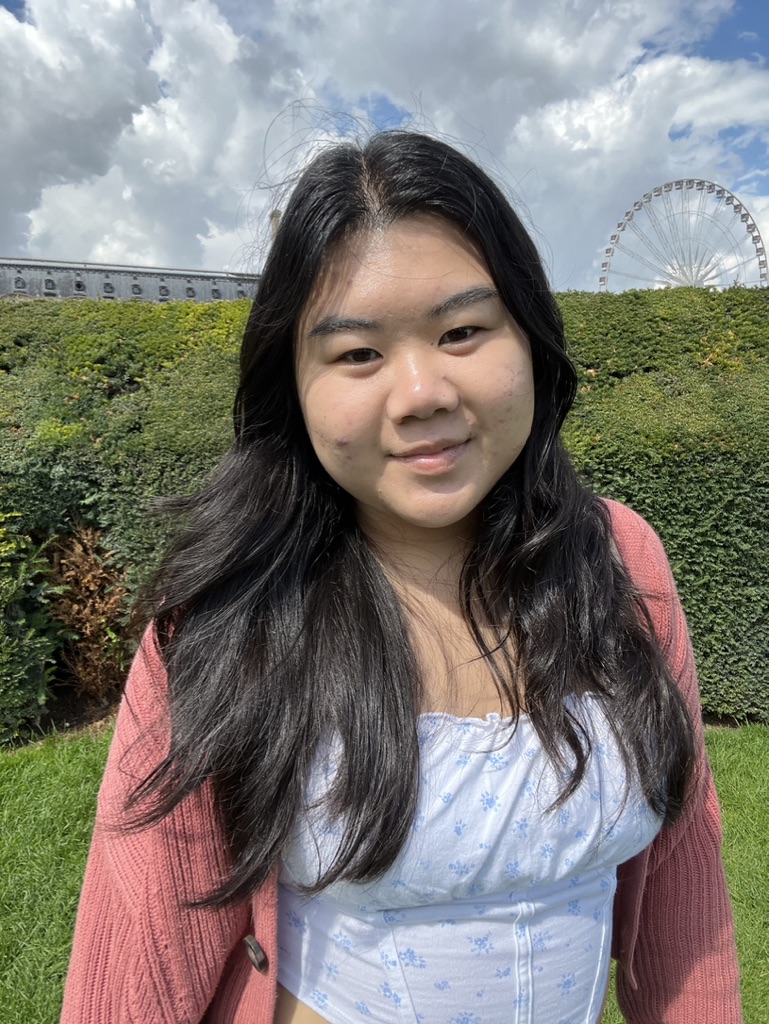
Jasmine Fung

Lauryn Leong
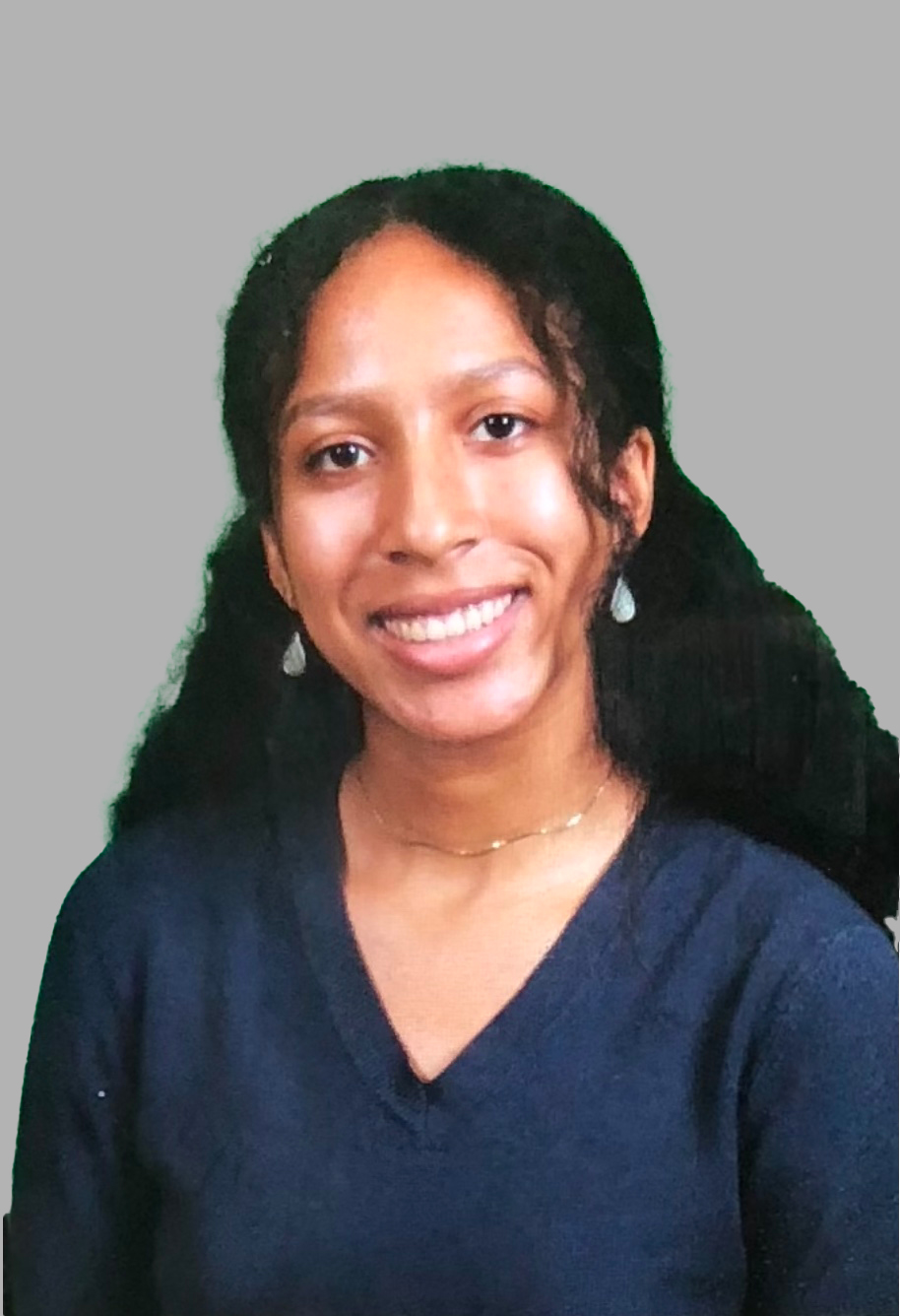
Leonna Gaither
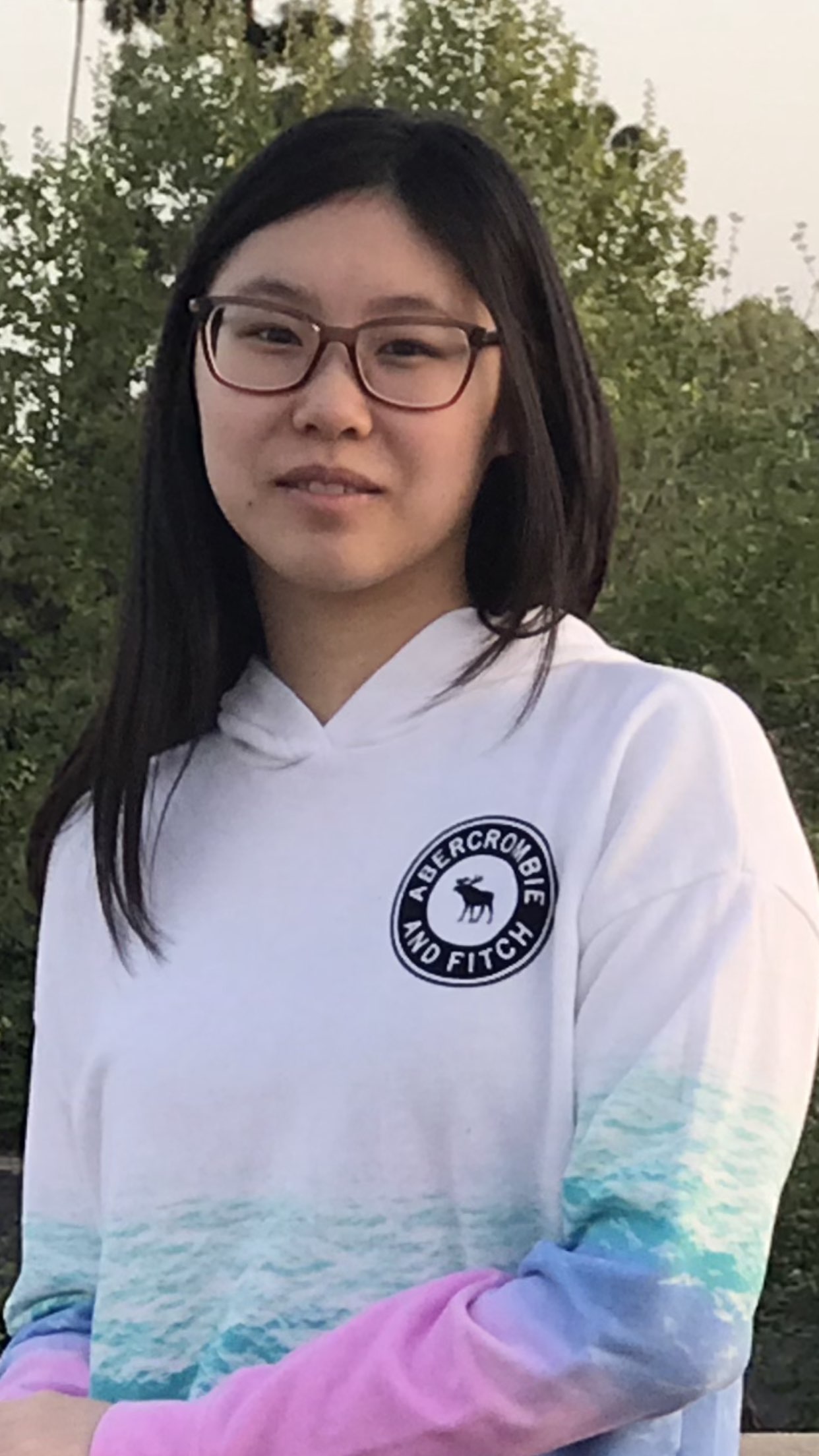
Rachel Truong
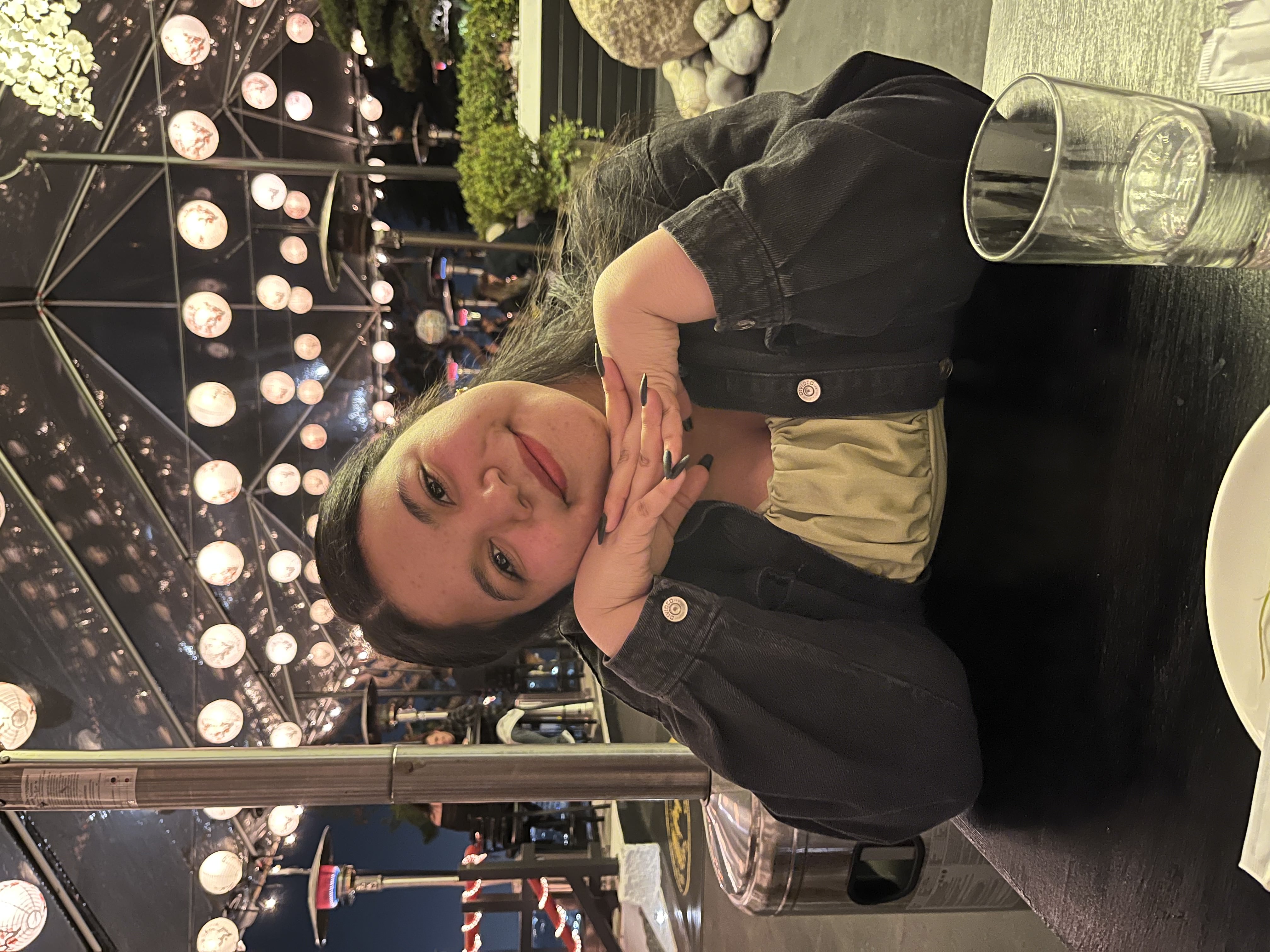
Soli Williams-Garcia
Emma Hanson is a fourth year chemical engineering major with Asian Languages and Cultures Minor. Her post grad interest lies in working in industry while continuing to be an avid member of the Japanese American community in the Greater Los Angeles area. She gathered and cleaned the secondary data of the 911 calls in San Francisco in the past five years, addressing the crime portion of the research question. In addition, she assisted in the writing process of the website, contributed valuable information to the data critique and secondary sources research, and created the timeline via JS for the website.
Jasmine Fung is a fourth-year English major and digital humanities minor at UCLA. She is currently an social media intern primarily working on The Kardashians and The D'amelio Show Hulu accounts outside of academics. Her professional goals post-grad are to gain experience working in the marketing industry. She contributed to this project by researching journal articles on Airbnbs and San Francisco as well as providing insight on the San Francisco landscape as a San Francisco native.
Lauryn Leong is a fourth year Communications major. She is interested in pursuing a career in marketing within the entertainment or music industries. For this project, Lauryn was responsible for gathering and cleaning the primary data set of Airbnb listings in San Francisco, provided by Inside Airbnb. She worked closely with the dataset by cleaning, refining, and augmenting it to provide valuable insights that could be useful for our research. Lauryn also helped provide initial ideas for the project's research questions, which were further developed into the research questions this project addresses today.
Leonna Gaither is a fourth year chemical engineering major. For post grad, she is interested in pursuing a career in the environmental or renewable energy industry. For this project, Leonna was responsible for gathering background data to help support the project narrative and the timeline. Additionally, using Timeline JS she was responsible for the creation of the timeline. Leonna also helped provide valuable insights to help further develop this project's initial research questions. Lastly, as the “Editor” Leonna was responsible for overseeing the quality of the project to ensure that it maintained consistent design, readability, and accessibility
Rachel Truong is a third-year computer science student who specializes in web development and design. Her passion is creating art, whether that be concept art, video games, websites, interface designs, and more. On this project, she worked on designing and developing the website, creating visual components and wireframes while also taking into account to check for accessibility for all.
Soledad Williams-Garcia is a fourth-year sociology major specializing in computing. For post-graduate studies, she is interested in pursuing a master's degree in business administration or marketing to pursue a career in music and film industry management and/or marketing. For this project, Soledad was responsible for compiling research for various research questions topics. Soledad also helped provide the information needed for the timeline and summarized points for various parts of the project. Finally, she contributed to formatting and grammar-checking writing within the project.
Our project compares Airbnb listings between the Downtown District and Richmond District, where we observe whether there is a correlation between rising crimes in San Francisco and if that has impacted how invested Airbnb hosts are in prioritizing safety and investment in their local communities.
The process for selecting secondary sources began with looking at credible sources available in the UCLA library catalog. The sources ranged from research studies determining the relationship between AirBNB rentals and neighborhood crime, articles on the recent decrease in AirBNB rentals, to short-term rentals in general. For instance, the article “Airbnb and Neighborhood Crime: The Incursion of Tourists or the Erosion of Local Social Dynamics?” creates threshold variables that attempt to establish mathematical relationships between the causes of crime and their relation to AirBNB rentals. This article asserts the notion that while no established causation can be drawn from the correlation, there generally is a decreased sense of community in neighborhoods that have more homes that have converted into AirBNB accommodations. The sense of community often serves as an inherent security measure where neighbors feel induced to look out for each other and maintain the safety of a region.
Two data sets were used in this project, including AirBNB data that included information about the hosts and their accommodations and San Francisco 911 calls in the past five years.
The dataset provided by Inside Airbnb was already well-organized and clean to begin with. We analyzed the Downtown and Richmond Districts in San Francisco for this project. We selected these two districts to compare an urban and suburban district within the city, where we could determine if there were any differences in how Airbnb hosts prioritize their communities' safety. The dataset had more than 7,000 data points, so by comparing two districts within San Francisco, we were able to significantly cut down the data to make it more manageable for our project. Inside Airbnb also included a “room type” category in their data, which had the following options: entire home/aot, private room, shared room, and hotel room. For our research, we decided to omit Airbnb listings with a shared room or a hotel room. Hotel room bookings often correspond to corporations attempting to list their bookings on another website to gain more traction rather than individual listing. For the sake of this investigation, the objective was to focus on the AirBNB experience as individual hosts rather than a company. After downloading the CSV file from Inside Airbnb, we uploaded the file onto Google Sheets and utilized the filters so that only the data we needed for the project was visible. Once the filters were applied, we copied and pasted the data onto another Google Sheet for easy access.
The San Francisco 911 calls were divided by districts, types of crimes, and the date and time these cases occurred. To begin data cleaning, all crimes that were not larceny or robbery-related were removed, given that the recent rise in crime primarily focuses on break-ins in parked automobiles, stores, residences, and more. In addition, all police districts except Tenderloin and Richmond were cleaned to create a smaller data set. Richmond and Tenderloin are suburban and urban districts, respectively, and the crime data sets will be compared with their respective AirBNB data set locations. This data set was cleaned and saved as a .csv file and then uploaded onto Tableau to begin data visualization.
For our project, instead of using WordPress, we decided to manually code our project using HTML, CSS, and JavaScript to allow for greater customization. For our timeline, we integrated TimelineJS, and for visualizations, we utilized Tableau. Our website is hosted through HumbSpace. Our color scheme is primarily black and white, with accents of red inspired by the iconic Golden Gate Bridge, a symbol of San Francisco. These three colors and their shades were chosen to accommodate color-blind individuals, ensuring accessibility. We have also ensured adequate contrast between colors to maintain visibility for all viewers.
Our website is also designed to be accessible to all users, not just visually. We have ensured that all important images, displays, and buttons include alt text, providing descriptions for screen readers to convey the content accurately to those who are blind. The font size is set to a minimum of 16px to improve readability.
Navigation is made easier with a top menu bar, allowing viewers to easily explore the website. A left-hand navigation section and a 'back to the top' button facilitate quick access to specific elements on individual pages. Moreover, our site is mobile-friendly, automatically adjusting its layout to suit various screen sizes, ensuring accessibility from any device.